
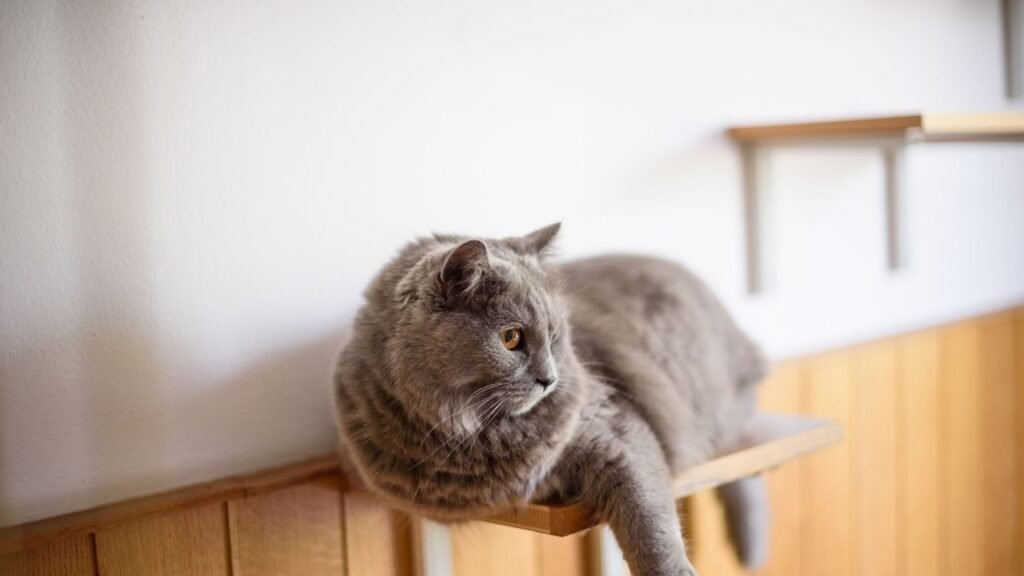
Why Cats Love High Places — And Why Do Cats Like High Places in the House?
Cats have a natural instinct to climb, perch and observe the world from above. In a typical UK home, these behaviours sometimes puzzle owners — but they’re perfectly normal. Below, we explore why cats like high places in the house and how you can set up safe, enriching climbing spots indoors.
Why Do Cats Like High Places in the House?
1. It’s in Their Wild Instincts
Domestic cats may look relaxed on the sofa, but they still retain many traits from their wild ancestors. In the wild, height offers:
- A safe vantage point
- Protection from predators
- A better position to hunt
Even though indoor cats don’t need to hunt, the urge to climb remains strong.
2. Height Helps Them Feel Secure
Cats often look for safe, quiet areas where they won’t be disturbed. High spots — like the top of a wardrobe or a tall shelf — give them a sense of security and independence.
From above, they can:
- Monitor the room
- Avoid busy foot traffic
- Rest without being disturbed
This is especially important in multi-cat households or busy family homes.
3. It Reduces Stress and Anxiety
Climbing and perching are natural outlets for stress. When cats feel overwhelmed or overstimulated, retreating upwards can help them relax.
You may notice this behaviour during:
- Loud noises
- Visitors
- Introductions to new pets
- Changes in routine
Providing vertical space helps your cat feel more in control of their environment.
4. It Increases Exercise and Enrichment
Indoor cats often miss out on the physical complexity of the outdoors. Climbing helps:
- Strengthen muscles
- Improve balance
- Prevent boredom
- Offer mental stimulation
High spaces contribute to a richer indoor environment, reducing the risk of destructive behaviours.
How to Set Up Safe Climbing Spots Indoors
Creating secure high areas is one of the easiest ways to enrich your cat’s indoor life. Here’s how to do it safely and effectively.
1. Choose Stable, Sturdy Furniture
If your cat already climbs on furniture, start by making those areas safe.
Good options include:
- Tall bookcases
- Wardrobes
- Free-standing shelves
Tip: Secure furniture to the wall using anti-tip brackets, especially in UK homes with tight spaces or energetic cats.
2. Add Soft Landing Zones
Even agile cats can misjudge a jump. Place:
- Cushions
- Rugs
- Cat beds
Under favourite climbing areas to soften the landing.
This is particularly helpful for older cats or kittens who are still learning coordination.
3. Use Cat Trees and Towers
Cat trees provide vertical territory without needing to modify your walls. Look for:
- Wide, sturdy bases
- Multiple levels
- Soft platforms
- Scratching posts
Products with real wood or thick carpet tend to be more stable and long-lasting — ideal for lively UK indoor cats.
4. Install Wall Shelves and Perches
If you’re comfortable with small DIY projects, wall-mounted shelves create the ultimate vertical playground.
When setting them up:
- Ensure each shelf can support your cat’s weight
- Space them like staggered steps
- Add non-slip pads or carpet squares
This gives cats a safe, predictable route upward and downward.
5. Create “High-Only” Zones
If you want to protect certain surfaces — such as kitchen counters — provide appealing alternatives.
You can encourage your cat to choose their new high spots by:
- Adding cosy blankets
- Offering catnip or silver vine
- Placing toys or treats
- Positioning shelves near sunny windows
Cats naturally gravitate to comfortable, warm and interesting spaces.
6. Keep the Climbing Area Safe
A few small tweaks can eliminate hazards:
- Move fragile décor
- Avoid placing candles or plants near perches
- Ensure no dangling wires are nearby
- Check shelves regularly for wear
Tall spots should always be stable and clutter-free.
Best Areas in a UK Home for Vertical Cat Space
Every UK home layout is different, but good spots often include:
- The side of a bookcase in the living room
- Above wardrobes in bedrooms
- Around a sunny window ledge
- Along a hallway wall
- In an unused corner (perfect for cat trees)
Even small flats can benefit massively from smart vertical setups.
How to Encourage Nervous Cats to Climb
Some cats lack confidence and need encouragement:
- Offer treats on lower levels first
- Engage them with a feather wand on higher platforms
- Add a cosy blanket to upper perches
- Start with low shelves and gradually increase height
Patience is key — once they trust the structure, natural instincts take over.
Conclusion
Understanding why cats like high places in the house helps you create a safer and more enriching environment. With a few smart adjustments, you can transform your home into a vertical playground that keeps your cat happy, confident and active.