
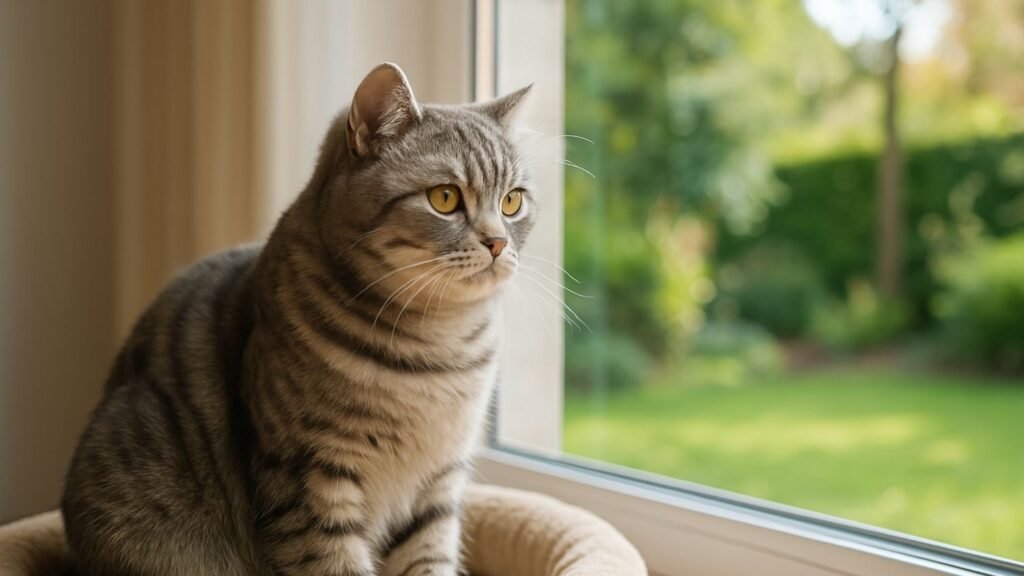
Choosing whether to keep your cat indoors or let them roam outdoors is one of the biggest decisions a UK cat owner will make.
Both lifestyles can work brilliantly—what matters most is safety, enrichment, and your home environment.
This guide explores the pros, cons, and key considerations to help you make the best choice for your cat.
Indoor Cats: Pros & Cons
Indoor cats are becoming more common in the UK, especially in busy cities where traffic and outdoor risks are higher.
While indoor living can be a great option, it does require thoughtful planning.
Pros of Indoor Cats
1. Increased Safety
Indoor cats are protected from:
- Road traffic
- Fights with other cats
- Foxes or dogs
- Poisonous plants
- Theft (sadly more common for pedigree breeds)
For high-risk areas or flats without garden access, indoor living is often the safer choice.
2. More Predictable Health Costs
Indoor-only cats are less likely to:
- Contract infectious diseases
- Pick up fleas, ticks, or worms
- Suffer injuries from roaming
This can make vet bills more predictable, though regular health checks are still essential.
3. Reduced Risk of Getting Lost
Cats can wander surprisingly far outdoors. Indoor cats avoid the stress and dangers of going missing—
especially helpful for nervous or recently rehomed cats.
Cons of Indoor Cats
1. Higher Need for Enrichment
Indoor cats rely heavily on you for stimulation. Without enough play or mental activity, they may develop:
- Boredom
- Stress
- Destructive behaviour
- Weight gain
You’ll need to provide interactive toys, climbing areas, scratching posts, and daily playtime to keep them happy.
2. Potential Weight Gain
Indoor cats may be less active than outdoor cats. Portion control, puzzle feeders, and regular play sessions
become even more important to prevent obesity.
3. Risk of Territorial Stress
In small spaces or multi-cat households, indoor cats may become territorial or stressed.
Providing separate resources (bowls, beds, hiding places, and litter trays) can help maintain harmony.
Outdoor Cats: Pros & Cons
Outdoor access is traditional in the UK, and many cats thrive with the freedom to roam.
Still, outdoor life brings risks alongside the rewards.
Pros of Outdoor Cats
1. Natural Exercise & Exploration
Outdoor cats can:
- Climb trees and fences
- Explore gardens and nearby green spaces
- Hunt small insects or rodents
- Burn off extra energy
This supports both their physical health and mental wellbeing.
2. Natural Behaviour Comes Easily
Outdoor access allows cats to express natural instincts, including:
- Scratching different surfaces
- Patrolling territory
- Scent marking
- Exploring new sights and smells
This can reduce boredom and unwanted behaviour indoors, such as scratching furniture or over-grooming.
3. Calmer Temperament (for Some Cats)
Many cats enjoy a mix of indoor comfort and outdoor exploration. With safe access, they often seem more relaxed and content,
especially high-energy or curious cats.
Cons of Outdoor Cats
1. Higher Risk of Injury
Common dangers for UK outdoor cats include:
- Busy roads and traffic
- Fights with other cats over territory
- Toxic plants and garden chemicals
- Predators in rural areas
Although many cats navigate these risks daily, they can’t be removed entirely.
2. Disease & Parasite Exposure
Outdoor cats are more exposed to:
- Fleas and ticks
- Worms
- Infectious diseases from other cats
This makes routine parasite control and vaccinations especially important for outdoor or part-time outdoor cats.
3. Potential for Theft
Pedigree cats, such as Bengals, British Shorthairs, and Ragdolls, can sadly be targeted for theft.
Owners of valuable or rare breeds often choose controlled outdoor access instead of free roaming.
Key Considerations for UK Owners
1. Your Home Location
Where you live is one of the biggest factors in deciding between indoor and outdoor lifestyles.
- Busy roads: Indoor or supervised outdoor access is usually safest.
- Quiet villages or cul-de-sacs: Outdoor access may be more practical.
- Flats without gardens: Indoor living, window perches, and catios can work brilliantly.
Think about traffic, noise, wildlife, and any local threats before making your decision.
2. Your Cat’s Personality
Personality plays a huge role in how well a cat copes with indoor or outdoor life.
Cats that may suit indoor life tend to be:
- Calm and laid-back
- People-focused
- Easily startled outdoors
Cats that may thrive with outdoor access often are:
- Confident and curious
- High-energy and playful
- Natural explorers
No two cats are the same—use their behaviour and comfort levels as your guide.
3. Your Time for Enrichment
Indoor cats need daily interactive play, mental challenges, and variety. Ask yourself:
- Can you spend time playing with wand toys or balls each day?
- Do you have space for scratching posts and climbing trees?
- Can you rotate toys and add new hiding spots regularly?
If your schedule is very busy, supervised outdoor access or a secure garden might help your cat stay mentally fulfilled.
4. Hybrid or Controlled Outdoor Options
If you want a balance between safety and freedom, consider:
- Catios: Enclosed outdoor structures that let your cat enjoy fresh air safely.
- Secure garden fencing: Cat-proof fencing to stop escape attempts.
- Leash and harness training: Ideal for confident but supervised outdoor exploring.
- Supervised garden time: Letting your cat out only when you are there to watch.
These options protect your cat while still giving them sunlight, stimulation, and a change of scenery.
Which Is Better: Indoor or Outdoor?
There’s no single right answer—only what’s safest and most suitable for your home, lifestyle, and cat.
With the right care, both indoor and outdoor cats can live healthy, happy lives in the UK.
Conclusion
Whether you choose an indoor or outdoor lifestyle for your cat, the key is providing safety, enrichment, and love.
With thoughtful planning, your cat can thrive in whichever environment you choose.