
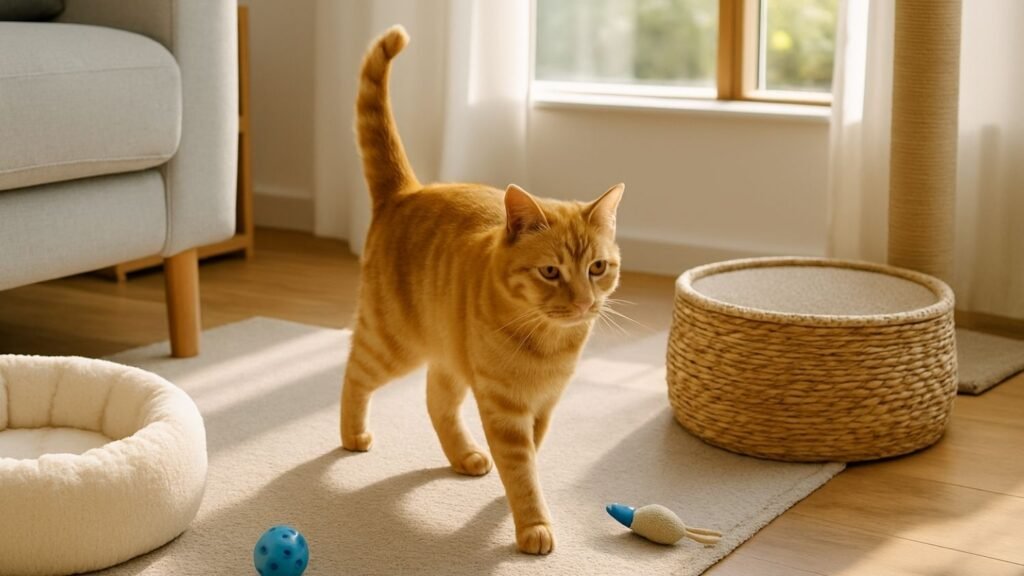
Bringing home a new cat is exciting, but a little preparation goes a long way. With the right setup, you can make their transition smooth, safe, and stress-free. This UK-tailored checklist covers everything you need to get your home ready for their arrival.
Why Preparing Matters
Whether your new cat is a playful kitten or a calm rescue adult, they’ll need time to adjust. Preparing beforehand helps reduce stress, prevents accidents, and ensures they feel secure from day one. Think of it as setting the stage for a happy long-term relationship.
1. Create a Safe & Quiet Space
Every new cat needs a dedicated area to retreat to during their first few days.
Choose the Right Room
Pick a quiet room such as a bedroom, spare room, or home office. The space should have:
- A door that can close
- Low noise and foot traffic
- Good ventilation
- No hazards or escape points
Make It Cosy
Include comforting essentials, such as:
- A warm cat bed
- Soft blankets
- A few toys
- A scratch post
This room will become their “base” while they adjust to unfamiliar scents and sounds.
2. Stock Up on Essential Supplies
Before your cat arrives, gather the basics so you’re fully prepared.
Must-Have Items
- Litter tray (plus clumping or non-clumping litter — many UK owners prefer clumping for ease)
- Food and water bowls (ceramic or stainless steel recommended)
- Cat food appropriate for their age and dietary needs
- Scratching post or scratching mat
- Cat bed or soft resting spot
- Carrier for safe travel
- Toys for stimulation and bonding
- Grooming tools (brush, nail clippers, wipes)
Nice-to-Have Extras
- Window perch
- Cat tunnels
- Feliway diffuser (helps reduce stress)
- Enclosed beds or igloos for shy cats
Buying everything ahead of time helps your cat settle in without unnecessary stress.
3. Cat-Proof Your Home
Just like toddlers, cats love exploring — and can get into trouble easily. A quick safety sweep goes a long way.
Secure These Hazards
- Cables and wires: hide them behind furniture or use cable protectors
- Toxic plants: lilies are extremely dangerous; consider cat-safe alternatives
- Breakable items: store delicate ornaments somewhere safe
- Cleaning products: keep cupboards closed or use child-proof locks
- Small objects: hair ties, rubber bands, and beads can be choking hazards
Windows & Balconies
If you live in a flat or upper-floor home, ensure windows can’t be fully opened without supervision. Many UK cat owners use:
- Window restrictors
- Mesh guards
- Lockable latches
Safety first — especially for curious new arrivals.
4. Prepare the Litter Area
Cats are very particular about their toilet setup.
Litter Box Best Practices
- Place the litter tray in a quiet but accessible location
- Avoid putting it next to food bowls
- Scoop once or twice a day
- Clean fully every week
If you’re unsure what litter your cat prefers, start with a standard clumping litter — it’s widely available in UK supermarkets and pet shops.
5. Set Up Their Feeding Station
Cats like routine, and a consistent feeding spot helps them settle.
Tips for the Feeding Area
- Keep it away from noisy appliances
- Use a shallow bowl to prevent whisker fatigue
- Place a separate water bowl (or fountain) away from food to encourage drinking
Water fountains are increasingly popular in the UK because many cats drink more when water is moving.
6. Make the First Day Stress-Free
The first day can feel overwhelming for a new cat, especially rescues or shy cats.
First-Day Guidelines
- Keep them in their safe room — don’t give full house access yet
- Let them explore at their own pace
- Sit quietly nearby; allow them to come to you
- Keep noise low
- Offer treats to build trust
- Show them the litter tray, bed, food, and water
Remember: don’t force interaction. Cats warm up on their own timeline.
7. Gradually Expand Their Territory
Once they’re eating, using the litter tray, and showing signs of confidence, you can open up more rooms.
How to Introduce the Rest of the Home
- Open one extra room at a time
- Supervise early sessions if you have plants, children, or other pets
- Maintain the safe room as a fallback space
This gradual approach helps prevent overwhelm.
8. If You Have Other Pets
Introducing a new cat to existing pets requires patience.
Tips for Smooth Introductions
- Swap bedding first to exchange scents
- Use baby gates or cracked doors for early “visual” introductions
- Reward calm behaviour
- Never rush face-to-face meetings
Slow introductions are especially important for multi-cat households.
Conclusion
Preparing your home for a new cat doesn’t have to be complicated — just thoughtful. With the right setup and a calm approach, you’ll create a safe, comforting space that helps your new companion settle in beautifully.